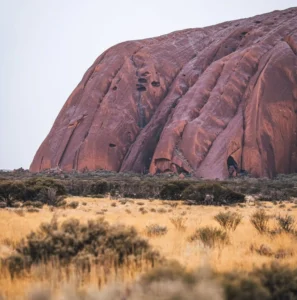
Kakadu National Park in the Northern Territory is a stargazers and astronomers paradise. No city lights or artificial light pollution here, this UNESCO World Heritage site is the perfect place to see the southern night sky in all its glory. Ancient landscapes, panoramic views and deep Aboriginal culture, Kakadu is the ultimate stargazing adventure.
Book with Autopia Tours for a hassle free experience.
The Big Sky: A Natural Wonder
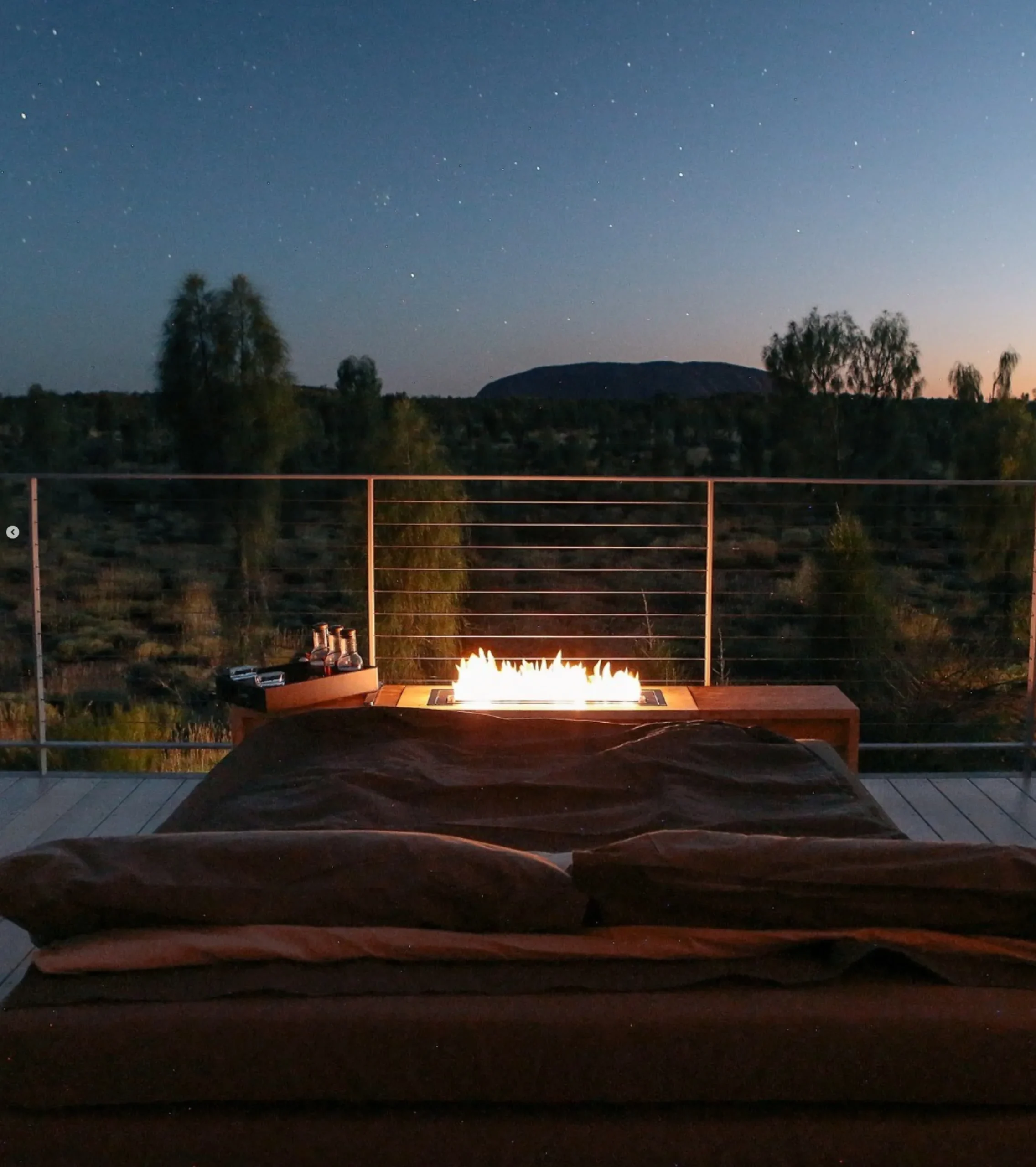
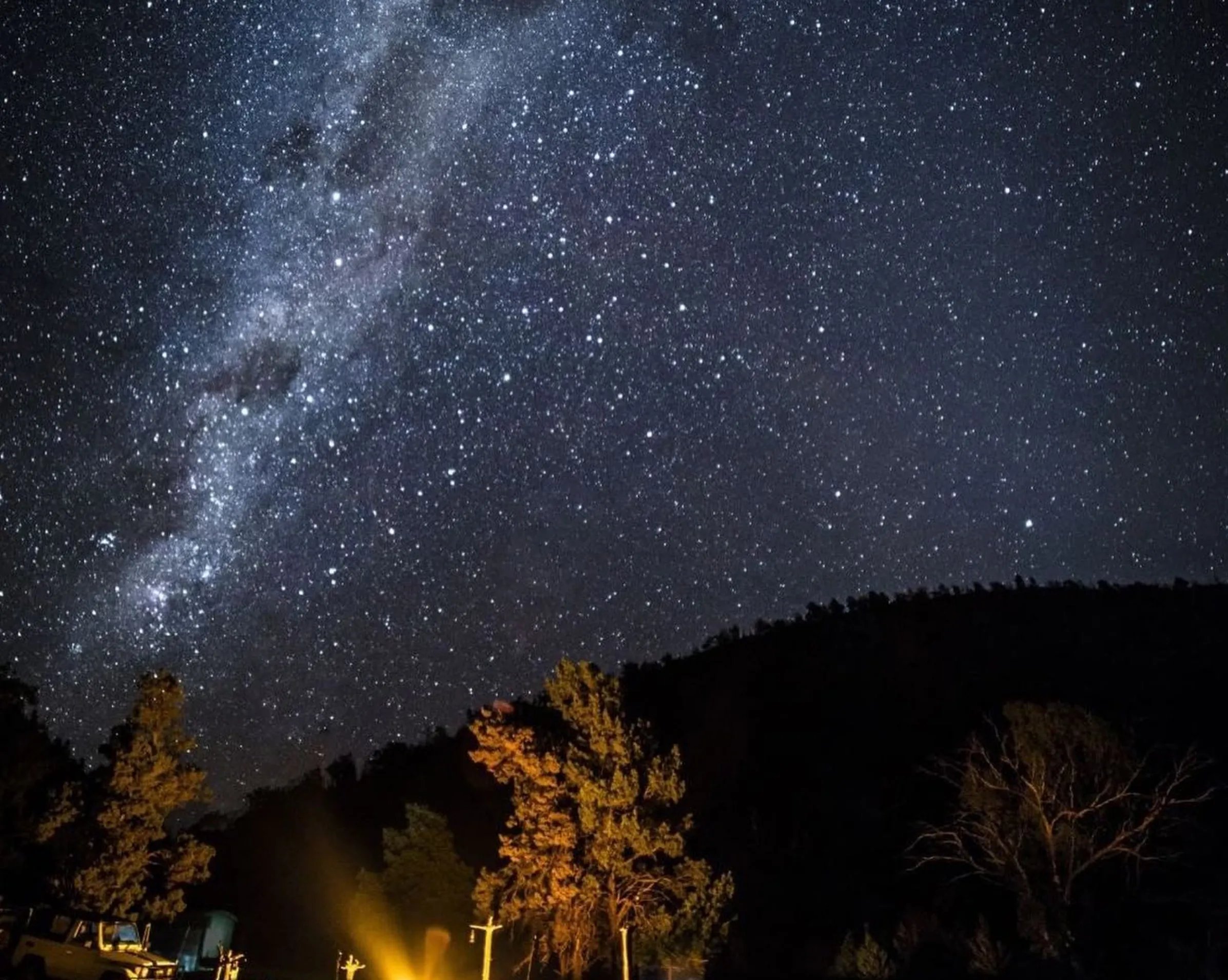
Kakadu’s dark sky, no light pollution here, reveals a sky full of billions of stars, star clusters and amazing celestial displays. Whether you’re looking at the belt of stars in the Milky Way or meteor showers, Kakadu’s sky is an experience you’ll never forget.
For a quick hit and a taste of everything, consider Kakadu day trip from Darwin which cover all the top attractions including stargazing spots.
Best Places
1. Ubirr Lookout
Ubirr Lookout in the northern part of Kakadu is an amazing spot to watch the sunset but it’s equally as good after dark. The lookout has panoramic views over the floodplains and rugged landscapes and is an incredible spot to stargaze. From here you can see the southern night sky and the wilderness beyond, no artificial light.
2. Kakadu Lodge and Caravan Park
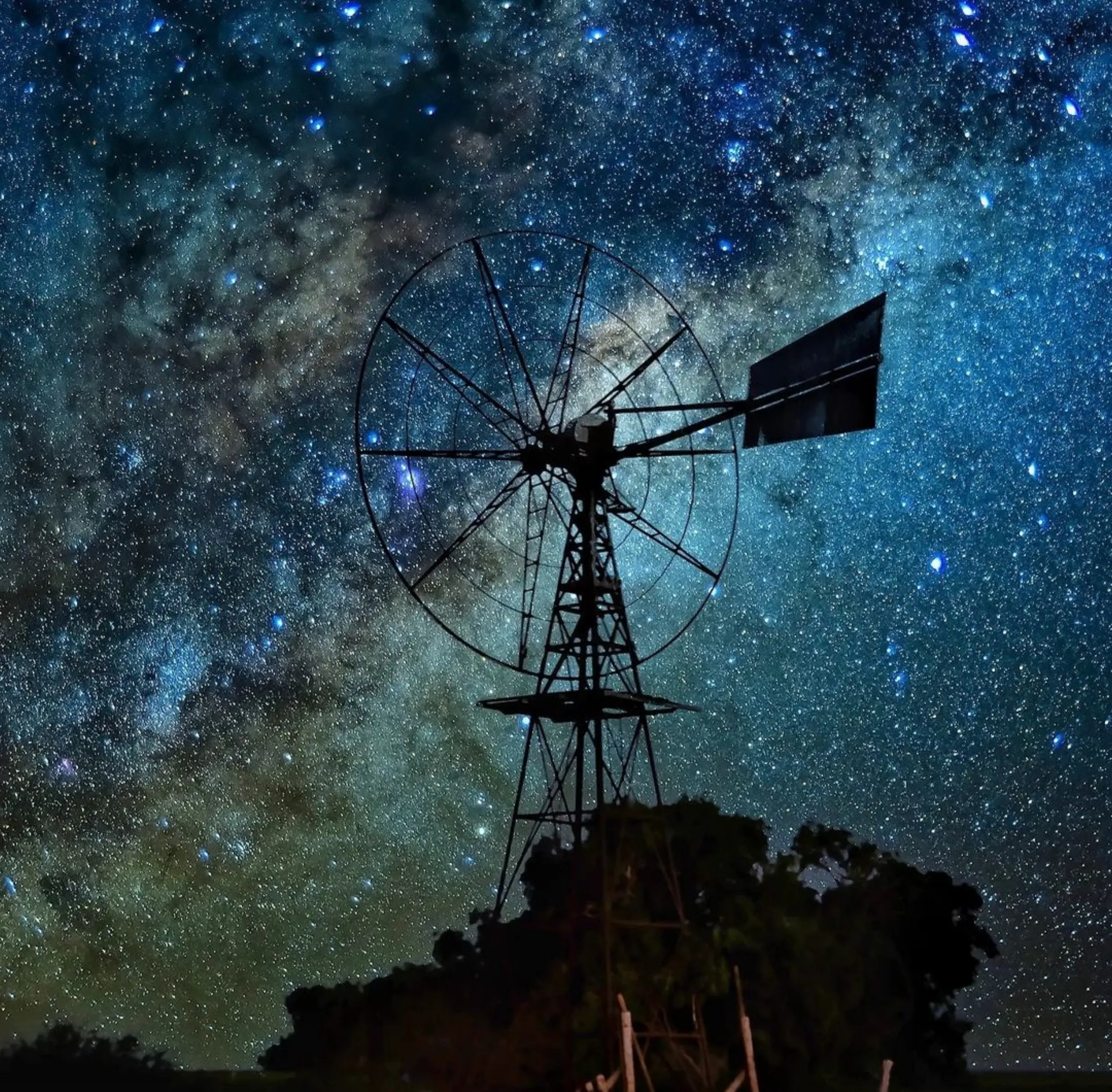
Located in Jabiru, Kakadu Lodge has easy access to all the parks top natural attractions. As well as accommodation the lodge is far enough from city lights to have great night sky viewing. Guests can stargaze in comfort after a days exploring the park, relax in the peacefulness of the dark night sky and celestial wonders.
3. Gundjeihmi and Mamukala Wetlands
Mamukala Wetlands is a great spot for birdwatching during the day but also has unobstructed views of the night sky. The wetlands is a peaceful backdrop for stargazing, no city lights or artificial light pollution so you can see celestial bodies and astronomical objects in all their glory.
4. Gunlom Falls
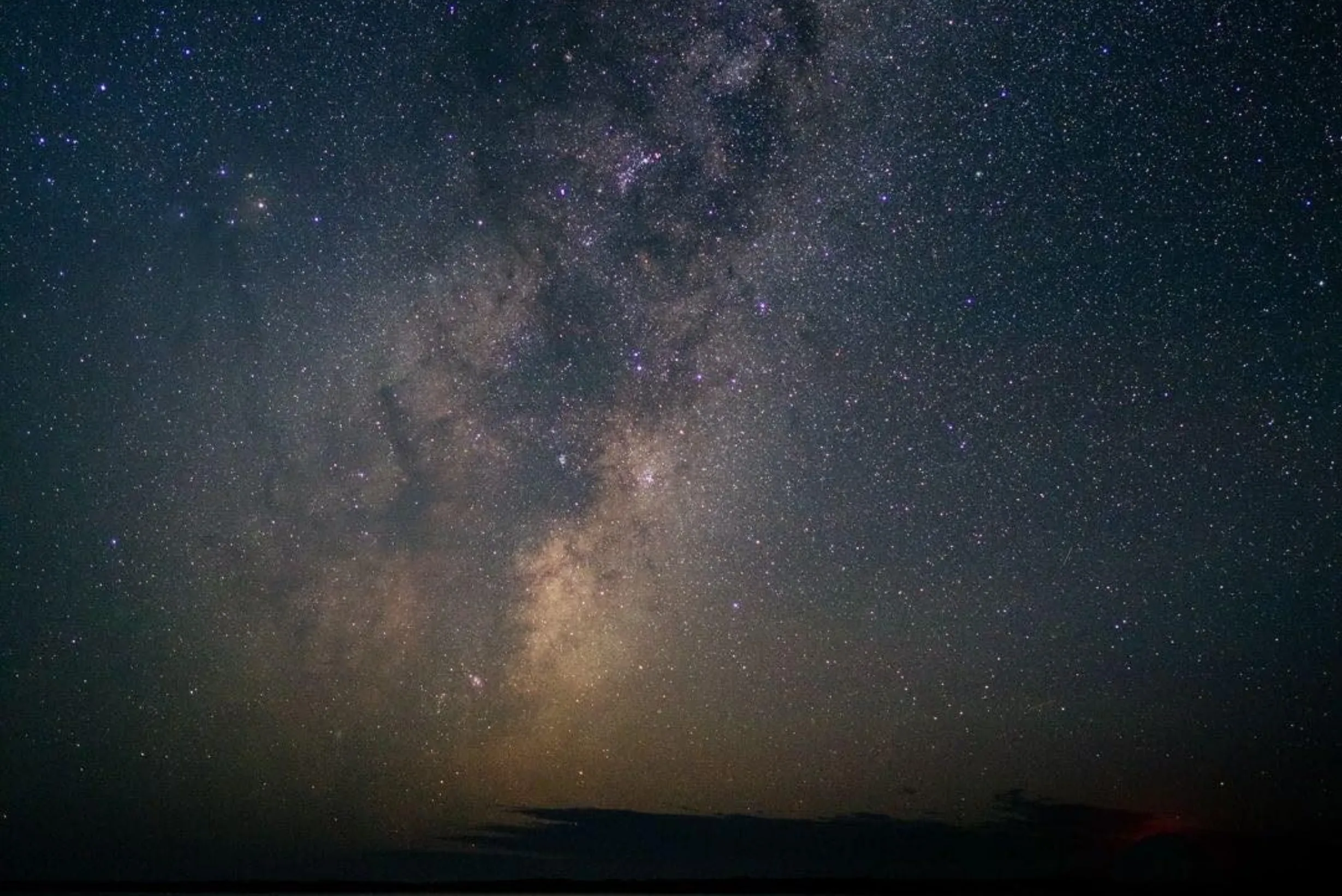
Gunlom Falls is one of Kakadu’s top attractions, famous for its waterfall and swimming holes. At night it’s a peaceful stargazing spot where you can gaze at the stars and listen to the sound of the water. Remote and no light pollution makes it one of the best spots in the park.
What to See: Celestial Wonders
The Kakadu night sky is always changing. Here’s what you can see during your visit:
The Southern Cross
One of the most famous and easiest to spot constellations, the Southern Cross, is visible all year round in the southern hemisphere skies. It’s an important cultural icon for Australia’s Indigenous people. Aboriginal stories about the Southern Cross have been passed down for generations and link the stars to the cultural and spiritual heritage of the region.
The Milky Way
When the conditions are right the Milky Way stretches across the sky in all its glory. The dark skies of Kakadu day trips are perfect for viewing this beautiful galaxy, especially during the dry season (April to October) when the skies are at their clearest. During the winter months the moon phases and planetary alignments can add to the magic and create a starry spectacle.
Planets
With no light pollution Kakadu is the perfect place to see bright planets like Venus, Mars and Jupiter. These planets are often visible in the early evening or pre-dawn hours and add to the stargazing experience. If you’re lucky you might even get to see planetary alignments or other objects visible to the naked eye.
Meteor Showers
Kakadu is a great place to see meteor showers, especially the annual Geminid and Perseid showers. With no artificial light in the park meteor showers appear brighter and more frequent and are a real spectacle. For serious amateur astronomers and beginners alike attempting to photograph meteor showers in Kakadu’s dark sky is a chance to capture a natural phenomenon that few other places in the world can match.
Best Time to Visit
The best time to stargaze in Kakadu is during the dry season which is April to October. During these months the weather is clear and dry and the conditions are perfect for viewing the night sky. The cooler months are also more comfortable to be outdoors at night with pleasant temperatures and low humidity.
Also note that Kakadu has a tropical climate and the wet season (November to March) is more humid and cloudy. While stargazing is still possible during this time the dry season has much clearer skies.
Aboriginal Astronomy: Ancient Stories in the Stars
The Bininj/Mungguy people of Kakadu have been stargazing for thousands of years. Their astral landscapes are filled with knowledge of planetary alignments, natural phenomena and seasonal changes. Tours like Discover Aboriginal Experiences allow you to connect with these ancient stories and learn about the southern night sky in Indigenous cultures.
More Stargazing Adventures
Kakadu is the main event but other places like Wave Rock and Ayers Rock in Central Australia or South Australia’s Dark Sky Park are also worth stargazing. Volcanic landscapes, mystical limestone rock formations and nocturnal beauty to add to your Australian road trip.
Public Viewing Nights and Special Events
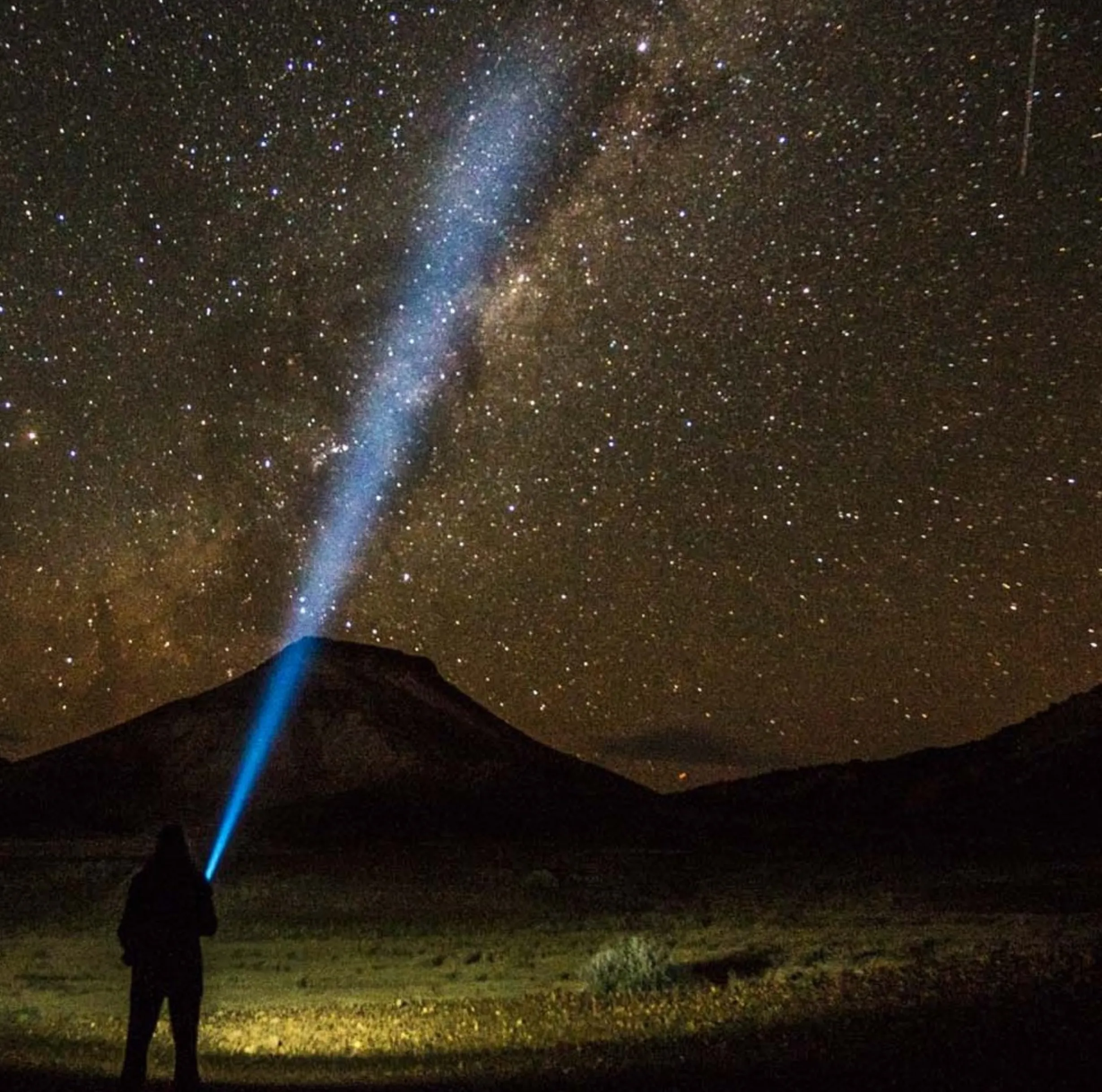
If you are visiting Kakadu during the dry season public viewing nights are run by local tourism operators. These events give you the chance to see the Australian night sky with an experienced guide who will show you the stars, star clusters and intergalactic objects visible that night.
If you are starting your journey in the Northern Territory’s capital Darwin many tours Kakadu include a highlight so it’s easy to get to the region’s natural and cultural wonders.
Stargazing Tips
- Bring a Telescope or Binoculars: The night sky is amazing to the naked eye but binoculars or a small telescope will enhance the experience.
- Dress Warm: Even in the dry season it can get cold at night so bring warm clothes.
- Be Safe: Always follow safety guidelines when walking in remote areas at night and be aware of wildlife.
- Check the Weather: Cloud cover can ruin stargazing so check the forecast before you head out.
Conclusion
Kakadu National Park is one of the best places to stargaze in Australia. Its remoteness, clear skies and no light pollution makes it the perfect place to see the stars. Whether you want to see the icons, a meteor shower or Indigenous astronomy Kakadu is the place to do it. So pack your telescope, take in the scenery and get ready to be wowed by the night sky in Kakadu.
When is the best time to visit Kakadu for stargazing?
During the dry season April to October is the best.
Where can I stargaze in Kakadu?
Ubirr Lookout, Gunlom Falls and Mamukala Wetlands are the popular stargazing spots.
Do I need a telescope to see the stars in Kakadu?
A telescope is not necessary but will enhance the experience. You can also see the stars with your naked eye or binoculars.
Can I go on a stargazing tour in Kakadu?
Yes, several operators offer guided Kakadu tours including ones that combine Aboriginal cultural astronomy and telescope use.
Is it safe to stargaze at night in Kakadu?
Yes but always follow safety guidelines especially in remote areas and be aware of wildlife.